
Vata season… what is that all about?
Vata is a word that comes from Ayurveda, a system of holistic healing rooted in the same 5000 year old Vedic tradition as yoga. Ayurveda and yoga are sister sciences, pathways to optimal wellness of body, mind and spirit.
Ayurveda 101 – “The sacred knowledge of life.”
1. Ayurveda teaches us to see the world and ourselves in relationship to five elements: earth, water, fire, air and ether (space).
2. Ayurveda identifies 20 qualities (gunas), arranged in 10 pairs of opposites that describe every substance or experience. They help us understand the Ayurvedic foundational principle of like increases like and opposites balance.
• heavy – light
• slow (dull) -sharp (penetrating)
• cold – hot
• oily – dry
• smooth – rough
• dense – liquid
• soft – hard
• stable – mobile
• gross – subtle
• cloudy (sticky) – clear
3. Ayurveda’s three doshas: vata, pitta and kapha, define characteristics of a complex combination of the five elements and twenty qualities. All three doshas are present in every person, but the unique ratio of each determines our individual constitution. Once we understand our unique constitution, we can identify strengths and weaknesses, and use this information as a blueprint to practices that promote optimal health.
It’s Vata Season!
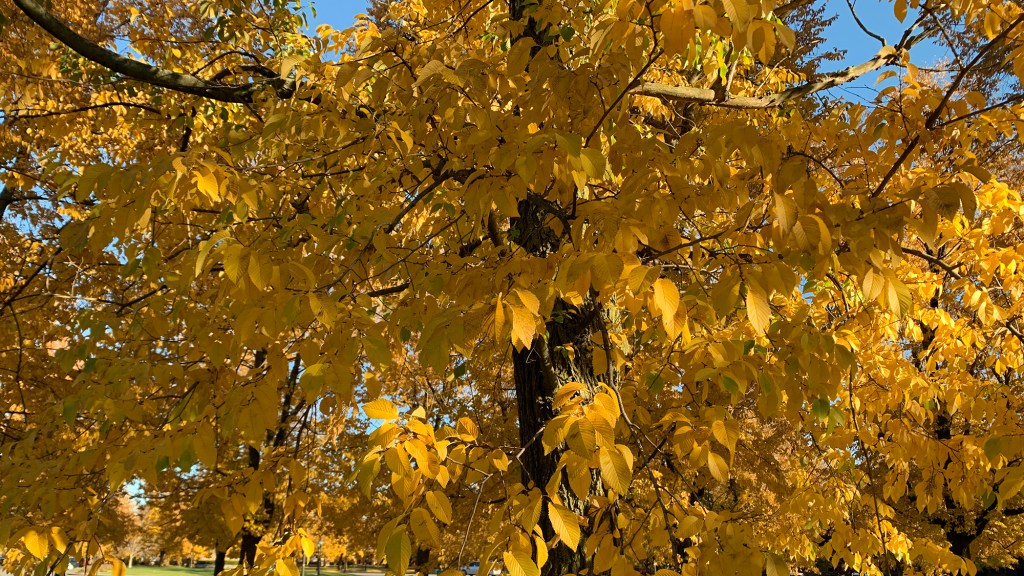
Seasons are also associated with doshic qualities. Autumn is vata time, the transitional, unsettled period between the lightness of summer and the heaviness of winter. Characterized by an increase in cooler temps, dryness (think of leaves) and wind, autumn brings a substantial increase in the vata elements of air and ether, and the vata qualities of dry, light, cold, rough, subtle, mobile, clear.
Meaning… you just might be feeling a little unsettled this time of year, particularly if you have a vata-dominate constitution. As the elements of vata are elevated in our environment, so too can they be elevated in our minds and bodies, causing imbalance. Symptoms of aggravated vata might include anxiety, fear, poor digestion, dry skin and lips, a scattered mind, little or no appetite.
So how do we get grounded in vata season? Simply balance the opposites! Replace vata’s dry, light, cold, rough and mobile qualities with wet, heavy, warm, smooth and stable qualities in your lifestyle choices. No exercise required.
Some Simple Solutions
Establish a daily routine. Consistent bedtimes, wake times and meal times create stability, grounding the vata quality of mobility.
Rethink your food choices to include vata balancing qualities of heavy, moist, sweet and warm. Opt for foods that are in season, such as squash, sweet potatoes and root vegetables like beets and carrots. Include sweet grains like basmati rice or brown rice, and warming spices like ginger, cinnamon and black pepper. High quality oils such as ghee or sesame oil counter vata’s dry and light qualities. Replace salads and raw veggies with stews and casseroles; cold drinks with a warm alternative. And just as important, take time to sit, relax, and enjoy your nourishing meal.
Slow down and pamper yourself. What you choose to do is up to you, but consistency counts. Designate a time, maybe it’s daily, weekly or monthly, to indulge in a massage, a bubble bath, time alone, or a good read.
Create a little Hygee (pronounced hoo-ga, the Danish term for cozy contentment and well-being), in your home environment. Bring out the fuzzy socks and wrap yourself in a warm blanket. Cuddle up in front of a fire and sip a mug of hot coco. Softness and warmth balance the cold, rough qualities of vata.
Fresh air works wonders. Go outside and play, take a walk, take a hike, or just breathe deeply in the great outdoors. Connecting with the earth and just being in nature has grounding qualities.
Now is the time to take advantage of vata’s glorious attributes of movement and expansion as you explore and create simple lifestyle changes that support you. Get grounded and be well!
Paula Carver
Yoga Instructor E-RYT 200
Ayurvedic Yoga Specialist
Kripalu Yoga in the Schools Certified Instructor
co-founder, Wholistic International Network
 Wholistic International Network